

What’s it like to be a bat? Scientists develop new solution to the puzzle of animal minds
We assess animal welfare by measuring stress hormones, counting behaviours, and checking for disease. But what’s missing is a way to evaluate these data from the animals’ lived experience. A new framework — the teleonome — offers a biological north star for welfare science, grounded in each species’ own evolutionary logic.

From Telos to Teleonome: A New Way to Understand Horse Welfare
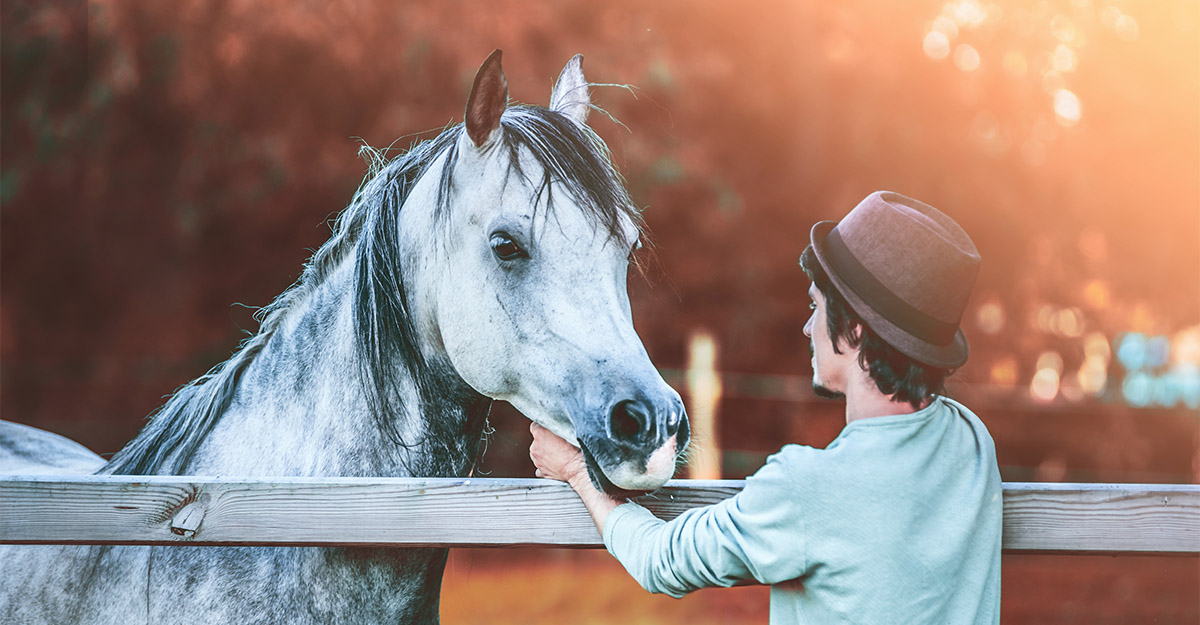
You’ve seen it. The horse pacing the fence line, wearing a track in the ground. The one who calls out, again and again, when stabled alone. We call these problems. But most of us have a quieter sense that something else is going on. That quieter sense is correct — and now there’s a word for what it’s pointing at.
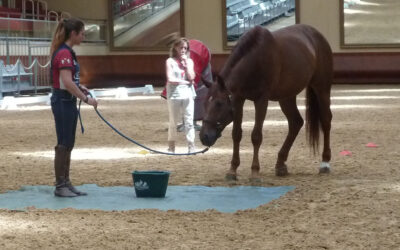
How to Judge Equine Welfare Research: What Horse People Need to Know
Horse people are often told a practice is “evidence-based” — but how can you tell whether research truly puts horses’ welfare first? This article explains why behaviour and equipment studies carry hidden risks, introduces the COMPASS Guidelines, and shows how non-researchers can ask better, welfare-focused questions before trusting claims or volunteering their horses.
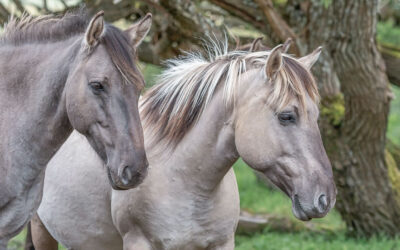
Equine Ethology: The Horse In Context
Wild and free-living horses offer vital reference points for hoof health, showing how terrain, movement, and social life shape both the foot and the horse’s welfare.
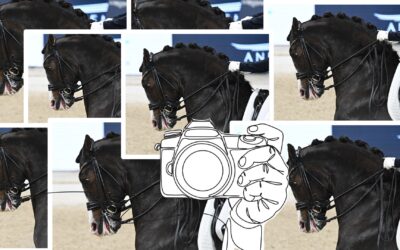
So You Think it’s a Moment in Time?
When uncomfortable images of horses are dismissed as “just moments in time,” photographer Crispin Parelius Johannessen asks what happens when every moment is documented—and why selective trophy shots may be the real illusion

When welfare becomes culture: patching the leaky bucket in horse sport
Why do welfare problems persist in horse sport despite growing knowledge and regulation? Drawing on a webinar by Lisa Ashton, this article argues that welfare fails when culture fails — and explores how mental security, reciprocity, and whole-systems thinking can help patch the leaky bucket.

From Principles to Practice: How Riding Schools are Reshaping Welfare Culture
Across the UK, riding schools are rethinking welfare from the horse’s perspective. The Riding School Futures Project shows how integrating the Five Domains Model, equitation science, and staff education is reshaping everyday practice — not through rules, but through cultural change.

The FEI’s Blood Rule: Are We Really Willing to Jump Backwards?
Next month, the FEI is expected to approve a rule change allowing horses to continue competing after visible bleeding — reversing a welfare safeguard into an administrative warning. The proposal places the sport’s “welfare is paramount” rhetoric at odds with its fragile social licence.

A Reply to Response to Comments on ‘Noseband type and tightness level affect pressure on the horse’s face at trot’
This letter, declined by the Equine Veterinary Journal, responds to MacKechnie-Guire et al.’s defence of their noseband pressure study. It clarifies key methodological and interpretive issues that remain unresolved and highlights why transparent discussion is vital to the integrity of equine welfare science.

A Reply to Response to Comments on ‘Facial pressure beneath a cavesson noseband adjusted to different tightness levels during standing and chewing”
In academic publishing, critique and reply are essential to scientific progress. This letter—declined by the Equine Veterinary Journal—is published here to complete the public record. It clarifies key methodological issues in a study of noseband pressures and highlights the importance of open discourse for equine welfare policy.
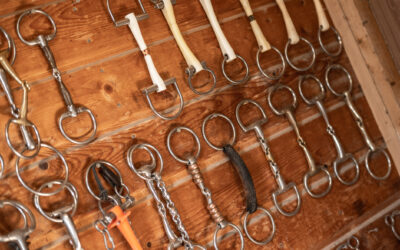
The Perfect Bit for your Horse
Emeritus Professor David Mellor—architect of the Five Domains Model—explores the biological and behavioural evidence showing that all bits, regardless of design, cause mouth pain. Drawing on decades of welfare science, he argues that the perfect bit is the one never placed in a horse’s mouth.
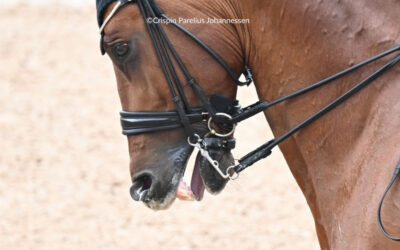
Think Blue Tongues may be Harmless in Elite Sport Horses? Think Again.
Unlike most reports quoting only veterinarians, this analysis comes from Dr James Cooling—a medical doctor, qualified bit-fitter, and rider. He explains why blue tongues in elite horses are not cosmetic, but clear evidence of pressure, pain, and compromised welfare.

The Mouth-Iron-Free Solution for Sudden Death in the Racehorse
In this final paper, the late Dr Robert Cook reviews decades of anatomical, physiological, and behavioural research showing how bits cause pain, breathing restriction, and performance loss in horses. He argues that allowing bit-free options across all disciplines would improve welfare, enhance safety, and restore public trust in equestrian sport.
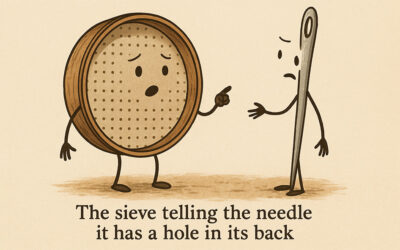
Illustrating Two Approaches to Equine Sports Welfare Research
Not all opinions are equal, and not all research holds water. A simple saying helps illustrate why that matters. There is an Indian saying that captures the situation where someone with many foibles criticises someone with very few: “That is like the sieve telling the...

Foam, Fear, and False Signals: Why the FEI’s New Ban on Artificial Saliva Matters
This week, the International Federation for Equestrian Sports (FEI) announced an emergency ban on artificial foam-producing substances used in horses’ mouths. The new veterinary rule, effective July 1, 2025, prohibits all products that artificially induce or imitate...
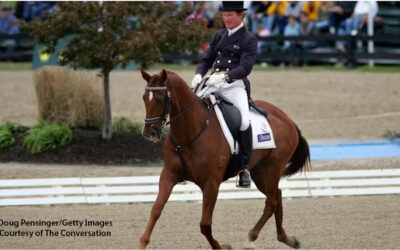
Horse whipping is painful and cruel. The latest incident shows why it should be banned
Anne Quain, University of Sydney and Cathrynne Henshall, Charles Sturt University. Image Doug Pensinger/Getty Images Last week, the peak body for equestrian sport in Australia suspended a prominent member after footage allegedly depicted Australian Olympic dressage...

Machinations About Mouth Pain in Dressage Horses
Commonly employed husbandry, training and other management practices used with racehorses and sports horses are being seriously questioned on welfare grounds. These concerns have been outlined in detail for Thoroughbreds by Garnham (2024a) - the penname under which...

From Chaos to Clarity: How EquiCare is Transforming Horse Management
Nicole knew she had a problem. As a professional rider and coach, she juggled the endless responsibilities of horse care—vet visits, farrier appointments, training schedules, competition prep. But no matter how many whiteboards, sticky notes, or phone reminders she...