Cristina Wilkins

What Kind of Horse Person Are You — And What Does That Mean for Your Horse?

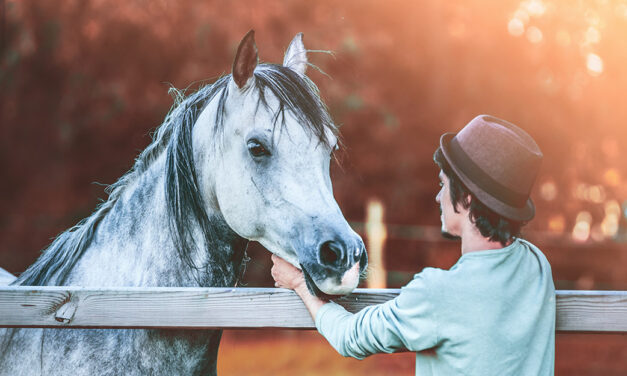
Ask a farrier what’s wrong with your horse and the answer starts in the feet. Ask a nutritionist and it starts in the feed bucket. It’s funny because it’s true — and it’s true because it’s biology. This article explores how your experience and expertise shape what you detect in your horse, what you miss, and why a whole-horse welfare assessment process changes everything.

Read More

What’s it like to be a bat? Scientists develop new solution to the puzzle of animal minds

We assess animal welfare by measuring stress hormones, counting behaviours, and checking for disease. But what’s missing is a way to evaluate these data from the animals’ lived experience. A new framework — the teleonome — offers a biological north star for welfare science, grounded in each species’ own evolutionary logic.

Read More

How to Judge Equine Welfare Research: What Horse People Need to Know

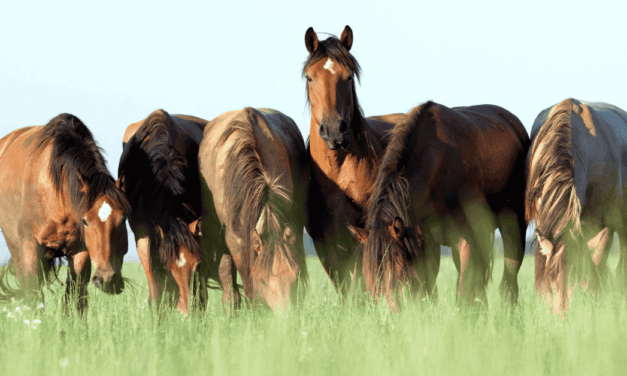
Horse people are often told a practice is “evidence-based” — but how can you tell whether research truly puts horses’ welfare first? This article explains why behaviour and equipment studies carry hidden risks, introduces the COMPASS Guidelines, and shows how non-researchers can ask better, welfare-focused questions before trusting claims or volunteering their horses.

Read More

  • Your cart is empty.